
Skin Deep: What My Holistic Facialist Training Taught Me About Wellness
- Alicia Walters

- Mar 25, 2025
- 4 min read
About three years ago, I completed a holistic facialist course that completely changed the way I see skin care. It opened my eyes to something deeper—how every part of our lives influences our skin. What we eat, how we sleep, how we process stress, how often we move... it’s all connected.
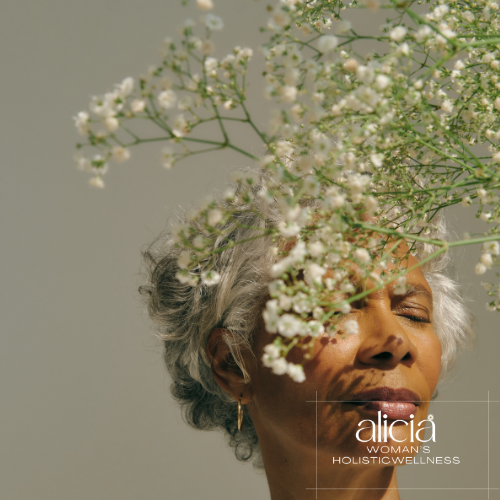
One thing the course really brought to my consciousness is this: when you're supporting someone’s skin, you're supporting the whole woman. And your recommendations can’t stop at what cleanser she’s using—they have to include what’s happening inside her body and her life.
And this isn’t just theory. One of my closest friends had struggled with acne and eczema for years. But when she introduced more high-quality fats into her meals and did a 7-day detox, the change was incredible. Her skin calmed down, her eczema eased, and that natural glow started to return. It was a real reminder that healing is possible when we take a holistic approach.
What I’ve Learned About Skin Wellness (and Why It’s More Than Skin Deep)
1. Quality Fats Are Non-Negotiable
Essential fats—especially omega-3s—are foundational for strong, hydrated, resilient skin. I’m a big believer in fish oils and oily fish like wild salmon and mackerel. These fats help reduce inflammation and provide key nutrients like vitamin D and selenium, which support skin elasticity and repair.
For those who prefer plant-based options, flax and chia seeds can help, but I personally lean toward fish because of their potency. If you’re using flaxseeds, always grind them fresh and avoid the oil form—it can turn rancid too easily.
2. Cut Back on Grains and Sugar We have to remember grains are just sugar in disguise. Even whole grains, when overdone, can spike your blood sugar and lead to inflammation—which often shows up in the skin. While a bit of whole grain can be fine, I keep it minimal and focus more on fibre-rich veggies, good fats, and quality proteins.
Stable blood sugar equals calmer, clearer skin.
3. Hydration Comes in Many FormsYes, drink your water—but also eat it. Foods like cucumber, celery, watermelon and romaine lettuce are incredibly hydrating and packed with minerals. Hydrating through food helps support the lymphatic system, which plays a key role in detoxification and skin clarity.
4. Antioxidants Are Your Natural ProtectorsAntioxidants fight free radicals and reduce signs of premature ageing. I’m a fan of spices like turmeric and cinnamon, dark leafy greens, and berries for that reason. I also steer clear of overusing ginger—especially for acne-prone skin, since Traditional Chinese Medicine sees it as too heating for some skin conditions.
5. Not All Fruits Are EqualI keep fruit to a minimum and choose lower-sugar options: avocado, berries, lemons, limes, kiwi, and pears. These are far gentler on the body. Personally, I tend to eat fruit on its own, and then—about half an hour later—I’ll introduce a little fat. It helps ease the insulin response, keeps things balanced, and supports skin from the inside.
6. Protein for the Win
I’m not vegan. I value plant foods, but I also believe in high-quality, clean protein—especially for skin repair, hormone balance, and general wellbeing. Whether it’s oily fish, lentils, eggs, or ethically sourced meat, protein gives your body what it needs to build and repair healthy skin.
7. Clear Skin Starts with a Clear Gut
If the bowels are sluggish, the skin often steps in to do the detox work—and that can show up as acne, eczema, or dullness. Focus on whole, fresh, organic foods and reduce your toxic load where you can. Your skin will thank you.
Doing this course didn’t just give me new tools—it reminded me why I do this work. Women deserve support that sees the full picture. We deserve glowing skin that isn’t just about looking good, but feeling deeply nourished and well in every sense of the word.
If your skin is trying to tell you something, I invite you to listen.
And if you’re feeling called to take a more holistic route—start with your plate, your breath, and your rest. The glow comes from there.
Join Me for a Glow-Up From the Inside Out!
Ladies, mark your calendars! On Saturday, 12th April 2025 at 1:30pm GMT, I’m hosting a very special Women's Holistic Wellness Circle: The Holistic Skincare Session — and you’re invited.
We’ll be looking into what truly nourishes radiant skin — from the foods you eat and the stress you hold, to the rituals and remedies that support your whole self. Whether you’re navigating acne, dryness, dullness or simply want to deepen your glow, this session is for you.
It’s not just skincare — it’s whole person care .
Reserve your place now via Eventbrite:👉 Click here to register
Spaces are limited and filling fast — I’d love to have you join me
Scientific References for Holistic Skincare
Diet and Skin Health
"Diet and Dermatology" – Journal of Clinical and Aesthetic DermatologyThis study explores how diet affects acne, ageing, and skin hydration. High-glycaemic foods and dairy were associated with acne, while healthy fats and antioxidants support clearer skin.Link to full text
Omega-3 Fatty Acids and Inflammation
"Omega-3 fatty acids in inflammation and autoimmune diseases" – The American Journal of Clinical Nutrition Omega-3s help reduce inflammation and support conditions like psoriasis, eczema, and acne.Link to full text
Gut-Skin Axis
"The gut microbiome as a major regulator of the gut-skin axis" – Frontiers in MicrobiologyHighlights how gut health influences skin through the immune system, hormones, and inflammation.Link to full article
Stress and Skin Disorders
"Psychological stress and skin disease" – Indian Journal of DermatologyChronic stress negatively impacts skin healing and conditions like eczema, acne, and psoriasis.Link to full article
The Role of Antioxidants
"Free radicals, antioxidants and functional foods: Impact on human health" – Pharmacognosy ReviewsDiscusses how plant-based antioxidants from foods (berries, herbs, vegetables) protect the skin from oxidative stress and ageing.Link to article
Water Intake and Skin Hydration
"The effect of oral water intake on skin physiology" – Clinical, Cosmetic and Investigational DermatologyShows a positive correlation between increased water intake and improved skin hydration and elasticity.Link to article


Comments